







Search Results for: Coffee Estate Regions

Honduras Coffee Regions, Grading, and Flavor Characteristics: Front Street Coffee's Selection of Sweet Orange Estate and Washed Caturra Introduction
Honduras, as an important coffee-producing country in Central America, was long classified as a "medium-quality blended coffee," but since hosting its first COE competition in 2004, its high-quality potential has gradually been recognized by the world. This article reviews Honduras's six major producing regions and emerging micro-regions, with a focus on two beans offered by Front Street Coffee—Sweet Orange Estate and Washed Caturra—covering origin information, cupping flavors, roasting curves, and brewing parameters, giving you a comprehensive understanding of this Central American producing country's coffee strength and unique charm. [more…]
A Comprehensive Analysis of Jamaica Blue Mountain Coffee's Core Producing Regions and Renowned Estates
Jamaican Blue Mountain coffee is renowned worldwide for its exceptional quality, and the stylistic differences among various producing regions and estates often determine the caliber of flavor in the cup. This article will systematically review the main producing origins of Blue Mountain coffee, including representative estates such as Wallenford, Amber, MoyHall, and Mavis Bank, comparing their output, packaging, market destinations, and quality tiers. At the same time, we will also introduce the Clifton Estate Blue Mountain No. 1 purchased by Front Street Coffee, covering everything from the estate's background and certification information to its flavor performance, giving you a comprehensive understanding of what makes this top-tier Blue Mountain coffee so unique. [more…]
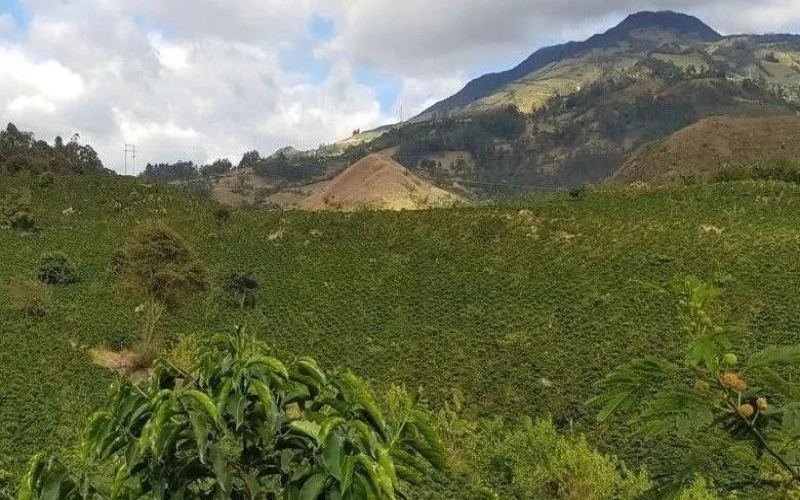
An Analysis of the Coffee Characteristics of Colombia's Nariño Region and the Development History of the Obraje Estate
South America occupies a pivotal position in the global coffee supply, and within it, Colombia—thanks to the unique geographical and climatic conditions of the Andes—has given rise to numerous coffee-growing regions with strikingly different styles. As a rising star, the Nariño department is renowned for its complex flavors and floral aromas, while the Obraje estate is a pioneer and benchmark in this region. This article will guide you through the distribution characteristics of Colombia's coffee-growing regions, focus on analyzing the terroir advantages of the Nariño region, and review the Obraje estate's transformation from grain cultivation to COE champion. At the same time, we will also mention the Huila region representative from Front Street Coffee's everyday beans series for daily tasting reference. [more…]
An Analysis of Honduran Coffee Aroma Characteristics: From COE Champions to Sweet Orange Estate Specialty Beans Overview
As an important coffee-producing country in Central America, Honduras has long been labeled as a source of "average-quality blended coffee," but the inaugural COE competition in 2004 made the world re-examine the terroir potential of this land. From the perspective of Front Street, this article will review Honduras's six major producing regions and distinctive micro-regions, with a focus on specialty coffee beans from Sweet Orange Estate in La Paz Department in the southwest and Mocha Estate in the Marcala region, analyzing the source of their orange aroma and their cupping performance. It also includes Front Street's roasting curve and brewing parameters for washed Caturra, providing coffee enthusiasts with a complete reference from understanding producing regions to hands-on brewing. [more…]
A Complete Analysis of Costa Rican Coffee Regions: From the Eight Major Producing Areas to Starbucks' First Specialty Estate and the Carnet Musician Series
Although Costa Rica is not a large country in terms of land area, it has become a representative producing region of high-quality Arabica coffee in Latin America thanks to its fertile volcanic soil, mild climate, and abundant rainfall. Even Starbucks chose this country for its first specialty coffee farm. In this article, Front Street Coffee will guide you through Costa Rica's coffee-growing history and policy evolution, review the altitude, harvest season, and flavor characteristics of eight major producing regions including the Western Valley, Central Valley, and Tarrazu one by one, and focus on introducing the Musician Series from the Canet Estate in Tarrazu—the processing methods and flavor profiles of four beans: Bach, Mozart, Beethoven, and Chopin—to help coffee enthusiasts gain a more systematic understanding of this producing region and choose good beans that suit their taste accordingly. [more…]

Origin, Producing Region, Processing Plant, Cooperative, and Estate: The Classification Logic Behind Coffee Bean Naming
On specialty coffee bean lists, we often see names at different levels—origin, region, processing plant, cooperative, estate, and so on. What exactly does each of these represent? Why are some beans named after a region, some after an estate, and still others after a processing plant or cooperative? Starting from the definition of specialty coffee, this article will sort out the differences and connections among these concepts one by one, helping you more clearly understand the origin and underlying logic of each bean when you shop for and taste coffee. [more…]
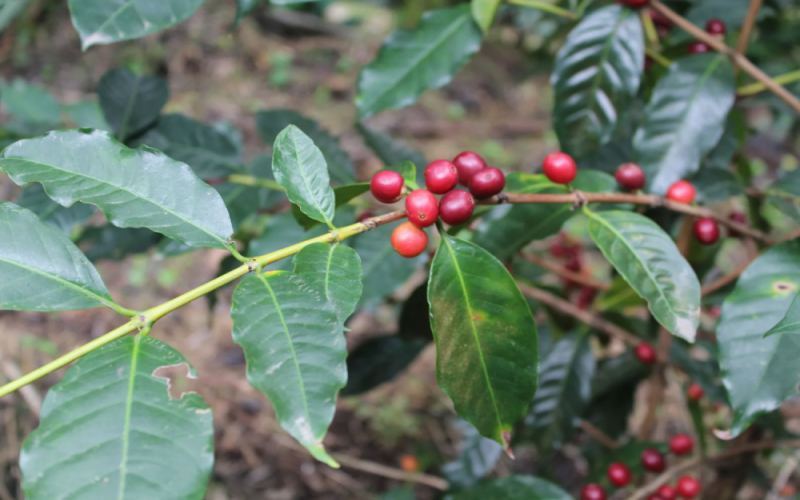
An Analysis of the Development History and Major Producing Regions of Papua New Guinea Coffee: A Full Overview of the Sigri Estate Bird of Paradise Coffee Beans
Papua New Guinea is located in the South Pacific and enjoys a typical island climate and volcanic plateau. Its mountains, at elevations between 1,200 and 2,500 meters, offer natural advantages for growing coffee. Since coffee was introduced at the end of the 19th century, the country has gone through stages including estate establishment, variety introduction, and cooperative transformation. Today, more than 90% of producers are smallholder farmers, and Arabica is overwhelmingly dominant. Five highland provinces make up the main producing regions, among which Sigri Estate in the Western Highlands Province is especially well known. Front Street Coffee has also introduced this estate’s Bird of Paradise coffee beans, which are washed and present a balanced flavor of caramel, cocoa, and almond. [more…]
Costa Rican Coffee Regions: History and Variety Characteristics: From Environmental Purification to High-Altitude Flavor Analysis
Costa Rica is an important representative of specialty coffee in Central America, renowned not only for its high-altitude growing regions but also for its emphasis on environmental protection during production. This article provides a comprehensive analysis of the flavor secrets of Costa Rican coffee, covering the history of the origin, representative estates, harvest periods, variety characteristics, and grading classifications. The article also introduces well-known growing regions such as Tarrazú and Central Valley, as well as La Pila Estate's non-washed processing and methane recycling. Front Street Coffee recommends a variety of Costa Rican beans, taking you to experience the unique acidity and aroma and consistent quality of high-altitude Caturra varieties. [more…]
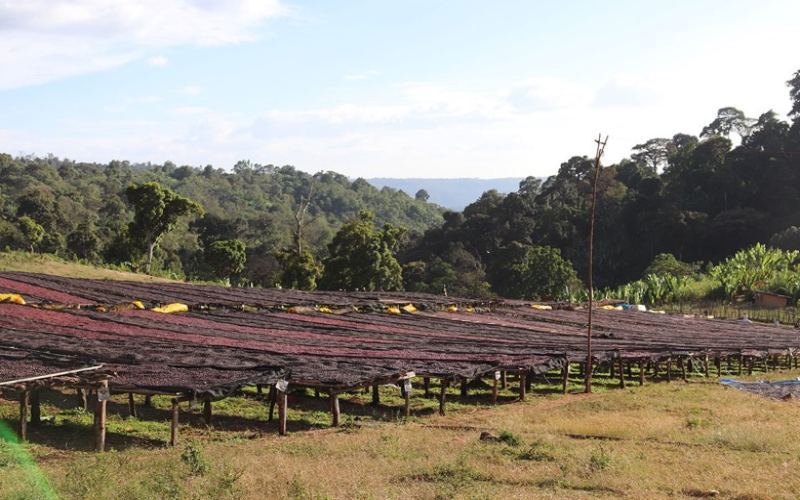
Tracing the Estate Origins of Pour-Over Regions: From Origin Stories to the Provenance of Flavors in the Cup
The pour-over community is placing increasing importance on estates—not to follow a trend, but because beans from different estates within the same region can differ enormously in flavor. An estate is the micro-unit of a region; slicing the region one layer finer makes the origin of flavor clearer. Understanding estate traceability takes pour-over bean selection from "choosing a region" to the next level: "choosing an estate." [more…]
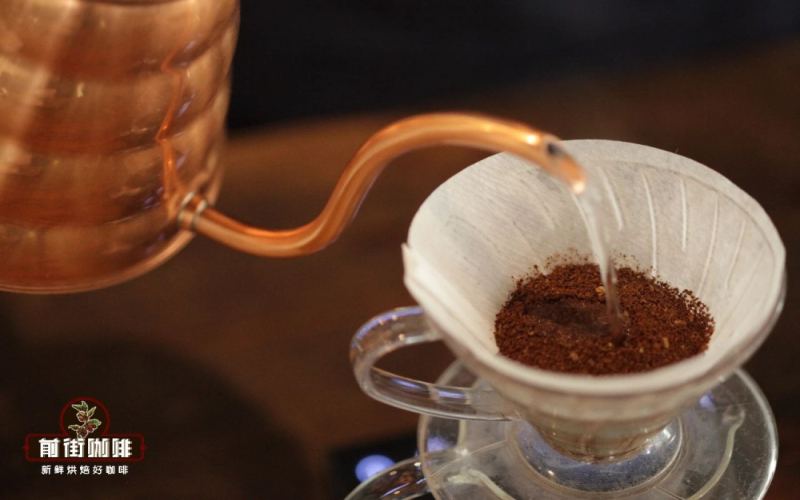
A Detailed Guide to Single-Origin Coffee Classification: A Comprehensive Analysis of Flavor Characteristics Across Major Producing Regions from Africa to the Americas and Differences in Coffee Shop Flavors
Have you ever walked into a specialty coffee shop, faced the dazzling array of single-origin coffees on the menu, and felt at a loss where to begin? Single-origin coffee refers to coffee made from beans sourced from a single origin, and it can be traced back to a specific region or even estate. This article will systematically sort through the representative single-origin coffees from major producing regions such as Africa, Central and South America, and Asia, introduce Front Street Coffee's rigorous process from roasting curve testing to cupping selection, and present the flavor descriptions of coffee beans from each region one by one, helping you find the cup that best suits your taste. [more…]
Costa Rica Mirazu Estate Geisha Blend Pour-Over Guide: Strawberry Candy Flavor Extraction Parameters Explained
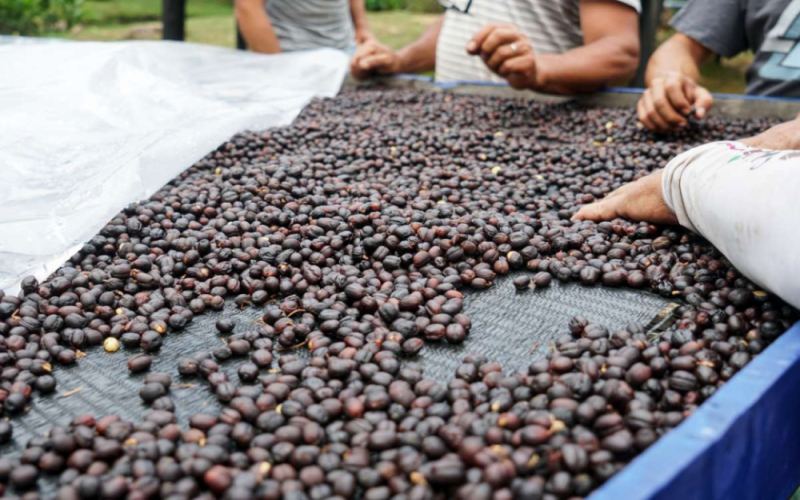
Costa Rica is renowned for its honey-processed coffee, whose parchment beans are golden in color, mellow in body, and remarkably sweet. This article focuses on the Strawberry Candy coffee beans from the Mirazu Estate, launched by Front Street Coffee. These beans are a Geisha blend, grown at an elevation of 1,700 meters in the Tarrazú region and processed using the honey method. The article first reviews the terroir characteristics of Costa Rica's seven major coffee regions, then takes a deeper look at the background of the Mirazu Estate and the history of the Geisha variety, and finally shares the pour-over recipe designed by Front Street Coffee's baristas for this bean—93°C water temperature, V60 dripper, and a 1:15 coffee-to-water ratio, using staged pouring to highlight the floral and fruity aromas along with a strong sweetness. [more…]
An Analysis of Costa Rica's Eight Major Producing Regions: Monte Crisol Estate Blueberry Anaerobic Heavy Honey Process and Tarrazú Everyday Drinking Beans Flavor
Although Costa Rica has a limited land area, it boasts eight distinct coffee-producing regions, from the Central Valley to Brunca, each nurturing coffees with strikingly different flavor profiles. Front Street Coffee's Costa Rica series has always been known for being "sweet as honey"—whether it's the Musician Series or the recently added Blueberry from巨石 Estate, it can rise to the occasion whenever a sweet pour-over is needed. This article will start with the Blueberry bean, explaining in detail the anaerobic heavy honey processing method of巨石 Estate and the growing conditions of the Brunca region, and then extend to introduce the variety composition and brewing suggestions of Front Street's everyday bean Tarrazú, helping coffee lovers systematically understand the diverse charm of Costa Rican coffee. [more…]

Coffee Regions, Processing Plants, Cooperatives, and Estates: Understanding the Roles in the Supply Chain from Cultivation to Sale
When we talk about specialty coffee, we often hear terms like origin, processing station, cooperative, and estate. They each represent different stages and organizational forms within the coffee supply chain. This article will start with definitions and analyze the differences and connections among these four one by one: how origins are divided into large and small, why processing stations centralize the processing of coffee cherries, how cooperatives help coffee farmers join forces, and why estates enjoy greater autonomy. Understanding these concepts will not only help you more clearly interpret the information on coffee bean labels, but also let you better understand the story behind every cup of coffee when making a purchase. [more…]
Flavor Analysis and Estate Story of Costa Rica Mirazu Estate Geisha Coffee Beans
Costa Rica, with its high altitude, fertile volcanic ash soil, and pleasant temperatures, has become a representative origin of high-quality Arabica coffee in Central America. The country is divided into multiple producing regions, each presenting unique flavors. This article focuses on Mirazu Estate in the Tarrazu region, telling the story of estate owner Esteban Sanches leaving La Candelilla to build his own estate, and provides a detailed analysis of Front Street Coffee Costa Rica Strawberry Candy, a Geisha coffee—its variety composition, raisin honey processing method, and brewing strategy of medium roast, high water temperature, and fast flow rate—to give you a complete experience of rich fruit aromas and strong sweetness. [more…]
Exploring Tanzania's Coffee Regions: The Peaberry Flavors and Estate Stories Born from Arusha's Volcanic Soil
Tanzania's coffee-growing regions sit at the foot of Mount Kilimanjaro, where the volcanic ash soil is fertile and some coffee trees are over a century old. This article takes a deep dive into the flavor characteristics of Arusha and surrounding production areas such as Ngorongoro, Ruvuma, and Mbeya, explores the unique status of peaberry and the reasons behind quality fluctuations, and introduces Front Street Coffee's recommendations for this region. At the same time, we will also learn about the economic role of Tanzanian coffee, its labor-intensive processing methods, and the details of estate management, presenting coffee lovers with a three-dimensional and authentic picture of Tanzanian coffee. [more…]
An Analysis of Papua New Guinea Coffee Regions: From Highland Cultivation to AA Grading and the Bird of Paradise Estate
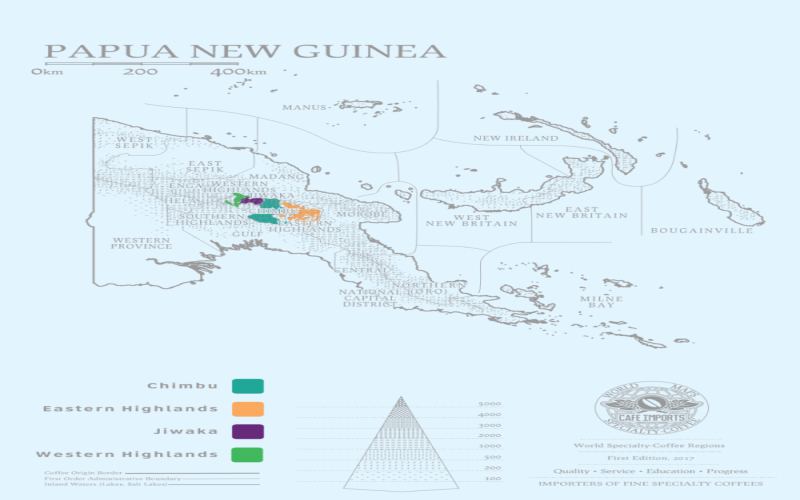
Papua New Guinea is the largest island nation in the South Pacific and one of the world's important specialty coffee origins. Its highland regions have volcanic soil and a tropical rainforest climate, and the growing belt at elevations of 1,200 to 2,500 meters provides an ideal environment for coffee. From the introduction of coffee cultivation during the colonial period in the 19th century to the import of the Typica variety from Jamaica in the 20th century, Papua New Guinea gradually developed a distinctive coffee industry and is known as "Little Blue Mountain." Front Street Coffee takes you in-depth into the main producing areas of the country's five highland provinces, the unique terroir of the Bird of Paradise estate, the AA grading system based on shape and cup quality, and the lingering body and sweet-acid balance that the washed process gives the coffee. [more…]
Flavor Analysis and Pour-Over Method for Costa Rica Mirazu Estate Geisha Strawberry Honey Process Coffee Beans
Costa Rica is renowned for its honey-processed coffee beans, whose parchment beans have a golden hue, a thick body, and outstanding sweetness. As the only country in the world with legislation restricting cultivation to Arabica varieties alone, Costa Rica's pursuit of quality is evident. This article starts from the terroir differences among Costa Rica's seven major coffee-producing regions, with a focus on the Geisha blend bean from Mirazu Estate in the Tarrazú region—Strawberry Candy. This bean uses raisin honey processing, blending the floral and fruity aromas of Geisha with intense sweetness. CoffeeHunters' roaster uses a medium roast, higher water temperature, and a faster-flow dripper for brewing, striving to bring out its aroma and sweetness. The article includes complete pour-over parameters and staged pouring steps, suitable for coffee enthusiasts to reference and practice. [more…]

Costa Rica Mirazu Estate Geisha Coffee: Flavor, Taste, Aroma of the Tarrazu Region and the Estate's Story
Costa Rica, with its high altitude, fertile volcanic soil, and distinct dry and rainy seasons, has become one of the representative origins of specialty coffee in Central and South America. The country is divided into multiple growing regions, each presenting unique aroma and acidity profiles. Among them, the Tarrazú region is known for its citrus acidity, dried-fruit sweetness, and chocolate notes. This article will take you into Mirazu Estate, learn about the founding story of its owner Esteban Sanches, and analyze this Geisha blend bean recommended by Front Street Coffee—using raisin honey processing to bring a richer sweetness and lasting aroma. At the same time, we will share Front Street's roasting and brewing parameters to help coffee lovers recreate this cup of "sweet honey" flavor at home. [more…]

Kenya Coffee Industry Panorama: From Berman Estate to Front Street Asalia - Regions, Grading, and Flavor Analysis
Kenya, with its exceptional climate conditions and a continuously refined industry system, has cultivated Arabica coffee with distinct flavors and outstanding quality. This article starts with Dormans Estate, Kenya's largest coffee producer, to systematically trace the rise of Kenyan coffee—including the SL28/SL34 breeding mechanism, government promotion, the auction system, unique grading standards, and the 72-hour washed fermentation process—and further analyzes the characteristics of core producing regions such as Nyeri, Kirinyaga, and Murang'a. It also presents Front Street Coffee's Kenyan Asalia (Little Tomato) brewing recipe and flavor review, offering coffee enthusiasts a complete picture of Kenyan specialty coffee. [more…]

A Complete Guide to Honduran Coffee: Six Major Regions, Grading System, Bean Characteristics, and Front Street Coffee's Top Picks
Honduras is the largest coffee-producing country in Central America and a major global exporter of washed Arabica beans. Coffee here is known for its exotic spice-like aromas, rich nutty and chocolatey finish, and balanced complexity. Since its introduction in the late 18th century, Honduran coffee has gone through a tortuous journey from lagging behind to rising, and today it has six major regions including Copán and Opalaca, as well as a strict grading system based on altitude and defect rate. This article will give you a comprehensive understanding of Honduras coffee's geographical conditions, development history, regional distribution, processing methods, and main varieties, and introduce specialty coffee beans selected by Front Street Coffee, such as Sweet Orange Estate, Mocha Estate Sherry, and Lychee Orchid. [more…]